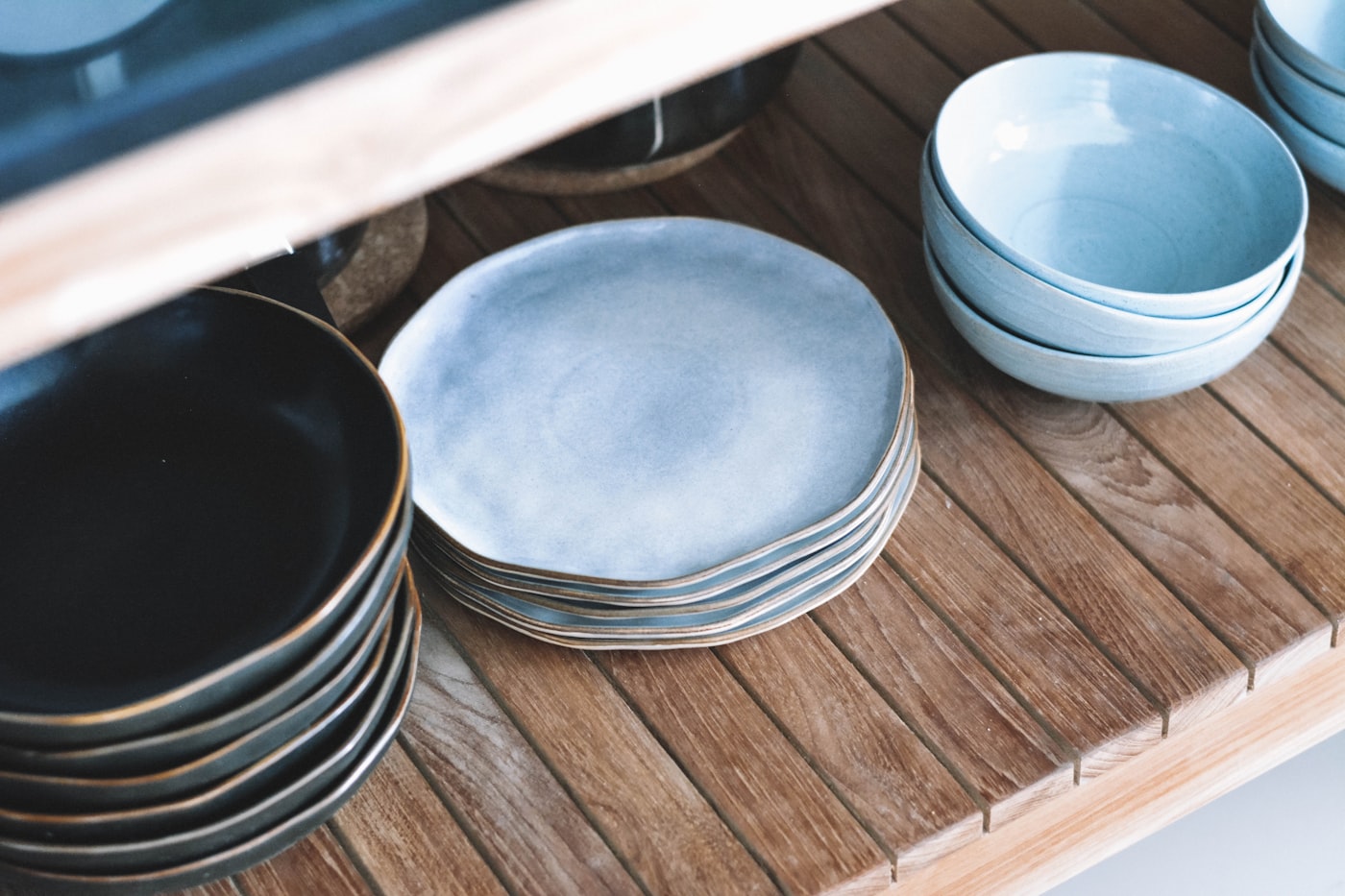
The quiet revolution happening in your kitchen
Why thousands are replacing their mass-produced dinnerware with something that actually tells a story
Sarah noticed it first during a dinner party. Her guests couldn't stop touching the bowls. Running their fingers along the uneven glaze. Commenting on how the weight felt different in their hands.
These weren't expensive designer pieces. They weren't imported from some exotic location. They were simply made by someone who cared enough to leave their fingerprints in the clay.
The shift is subtle but undeniable. Across the United Kingdom, people are rediscovering what their grandparents knew instinctively: objects made by hand carry something factory lines cannot replicate.
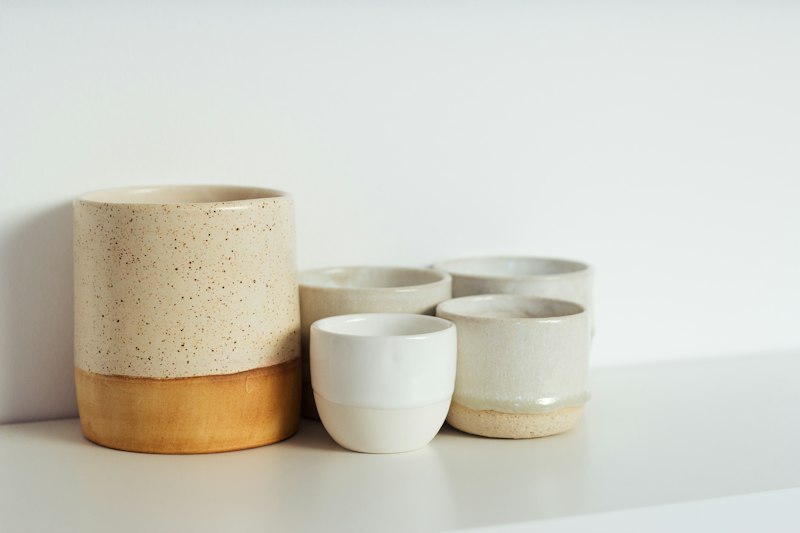
Each piece develops its own character through the firing process
The problem hiding in plain sight
Walk into any home goods shop and you'll see identical plates stacked hundreds high. Uniform mugs lined up like soldiers. Everything designed for maximum efficiency, minimum soul.
Here's what the manufacturers won't tell you: that uniformity comes at a cost. Industrial ceramics use standardized glazes containing compounds that prioritize consistency over character. They're made in moulds pressed ten thousand times until the impression fades.
The result? Items that function but don't resonate. Plates that hold food but don't invite conversation. Mugs that contain coffee but don't warm your morning ritual.
We've been conditioned to accept this as normal. But normal doesn't mean better.
"I never thought dishes could make me feel anything until I held one that someone actually made with their hands."— Margaret T., Bristol
What changes when craft meets purpose
There's a workshop in the countryside where clay becomes something more than vessels. Where the wheel turns at the speed of attention rather than production quotas.
Every morning begins the same way: selecting the right clay body. Not from a catalogue, but by feel. Understanding how different compositions respond to different techniques. Some clays want to be thrown tall and thin. Others prefer to stay low and generous.
The shaping happens in dialogue. Hands respond to what the clay reveals. If a bowl wants to lean slightly to one side, that asymmetry becomes its signature. If a glaze pools unexpectedly during firing, that variation becomes unrepeatable beauty.
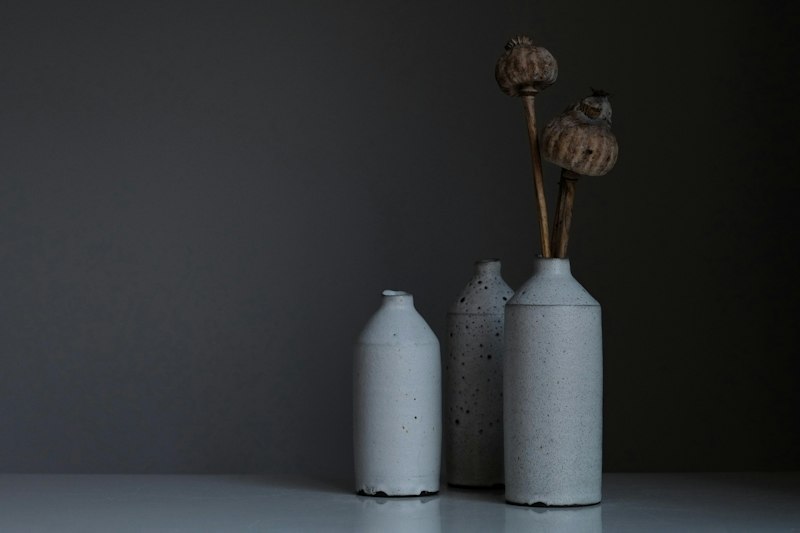
The science of irregularity
Recent studies have examined why handmade objects create different psychological responses than manufactured ones. Researchers found that slight variations in form activate different neural pathways related to aesthetic appreciation and emotional connection.
When we encounter perfect uniformity, our brains categorize and dismiss. When we encounter intentional irregularity, we pause. We notice. We engage.
This isn't nostalgia or romanticism. It's recognizing that the marks of human making satisfy something fundamental in how we relate to our environment.
"My morning tea tastes different now. I know that sounds absurd, but holding something made with genuine attention changes the entire experience. It's not just a mug anymore."
What makes the difference
The distinction isn't merely aesthetic. When clay is shaped by hand rather than pressed in moulds, its molecular structure retains different properties. The walls vary in thickness, creating zones that hold and release heat at different rates.
This affects how liquids behave in the vessel. How long tea stays warm. How soup cools at the edges while staying hot at the center. These aren't features you'll find on product specifications, but they're details your hands notice immediately.
Natural glazes respond differently than industrial coatings. They develop patina over time. They age alongside you. A cup used daily for five years tells the story of those five years in subtle changes to its surface.
Perhaps it's time to reconsider what sits in your cupboards
Explore what's possible →
Natural glazes create patterns that cannot be replicated
The practice of attention
Creating functional pottery requires sustained focus that modern manufacturing has engineered away. Each piece demands presence. You cannot rush the wheel. You cannot hurry the kiln.
This temporal reality embeds itself in the final object. When you use something made slowly, some part of you recognizes that pace. It interrupts the frantic rhythm most products encourage.
There's evidence this matters more than we've acknowledged. Environmental psychologists have documented how the tempo of our objects influences our behavior. Fast objects encourage fast living. Objects made with patience invite us to slow down.
"I bought a set for daily use, not display. Six months later, I find myself actually enjoying washing dishes. The texture under my hands, the weight of each piece—it transformed a chore into something meditative."
Available creations
Each offering represents different approaches to the same underlying philosophy: creating objects worthy of daily ritual.

Essential Tableware Collection
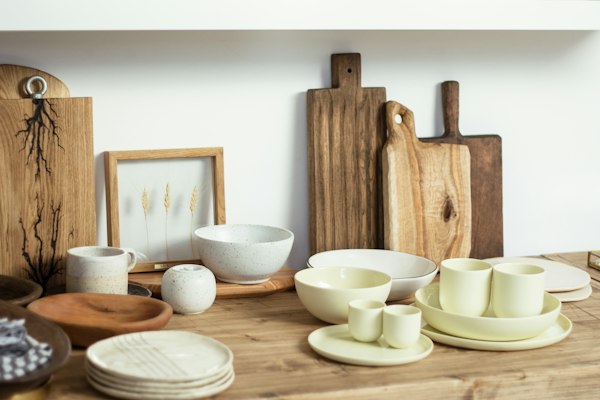
Four place settings including dinner plates, side plates, bowls, and mugs. Each piece thrown individually, glazed with earth-tone minerals that develop character through use. Suitable for daily meals and special occasions alike.
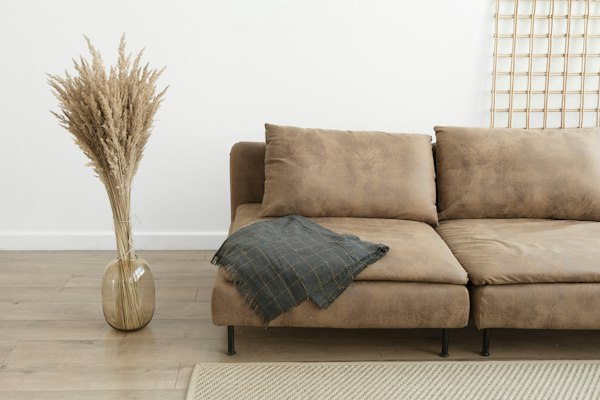
Morning Ritual Set
Two large mugs and two smaller tea cups, each with subtly different proportions. The handles are pulled rather than attached, creating a continuous clay body. Glazes chosen specifically for how they feel against lips during the first sip of the day.
Serving Bowl Trio
Three nesting bowls in graduated sizes. The largest works for family salads, the middle for sides and grains, the smallest for sauces or individual portions. Exteriors left partially unglazed to show the clay body, interiors sealed with food-safe finishes.
Single Statement Piece
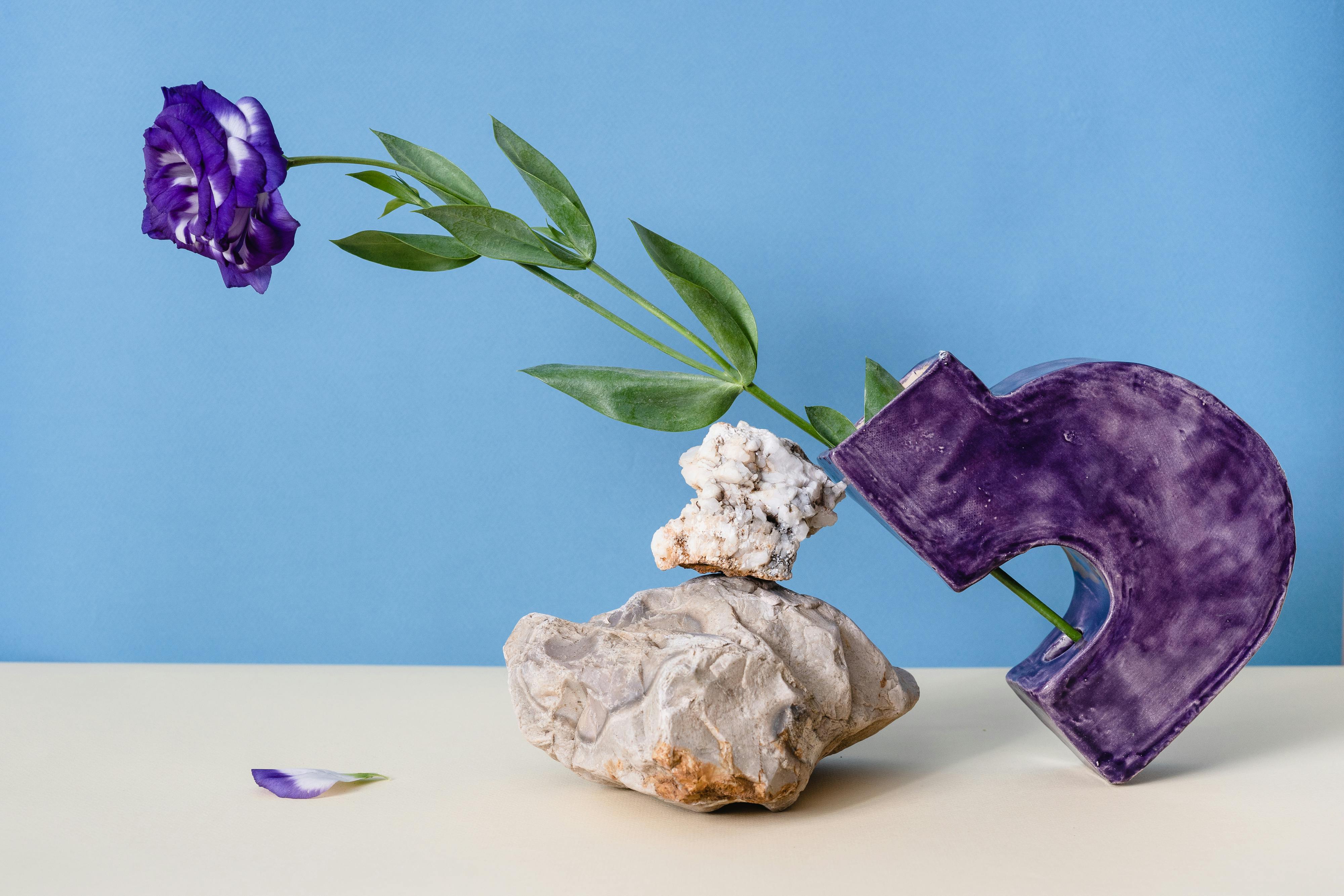
One large vessel created as an individual exploration rather than part of a series. Could serve as a vase, a fruit bowl, or simply exist as a sculptural presence. These pieces push the boundaries between utility and art.
Introduction to Wheel Throwing
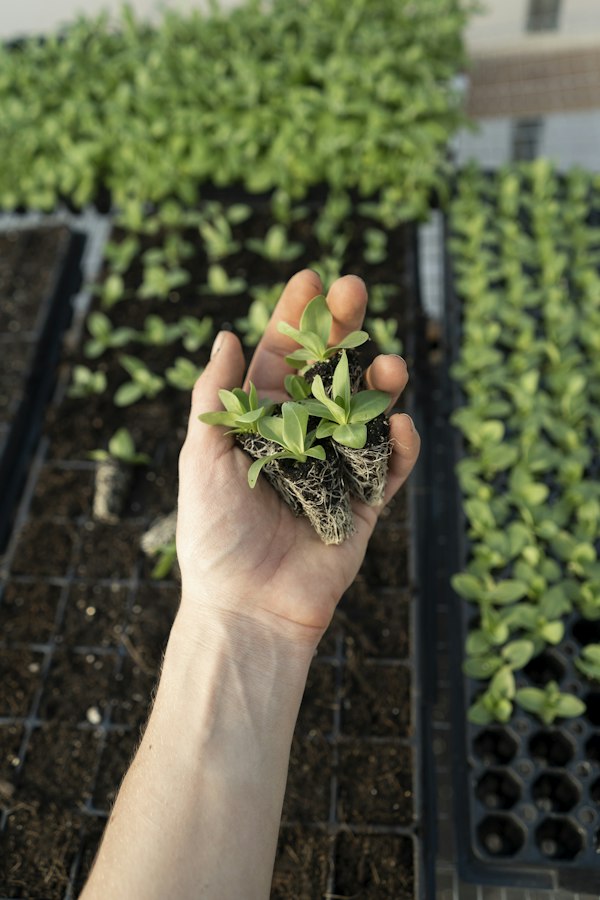
A three-hour session covering centering, opening, and basic shaping techniques. You'll work with several pounds of clay, learning through direct experience how the material responds to pressure and speed. Leave with at least one piece you've made, which will be fired and glazed for collection later.

Commissioned Work
Collaborative creation of pieces designed specifically for your needs. Begins with a conversation about how you live, what you need from your objects, and what aesthetic resonates with you. Timeline typically spans six to eight weeks from initial discussion to delivery.
How to proceed
If something here resonates, the next step is straightforward. Select which offering interests you below, share a few details, and we'll begin a conversation about what makes sense for your situation.
No pressure. No urgency tactics. Just an exchange between someone who makes things and someone who might value them.
Express your interest
Important notice: The pieces described here are craft objects intended for personal use and aesthetic appreciation. They are not designed to address health conditions, provide therapeutic benefits, or serve medical purposes. Individual experiences with handmade items may vary based on personal preferences and usage patterns. These offerings represent one approach among many to acquiring tableware and decorative objects. We encourage you to consider your specific needs and explore multiple options before making decisions about purchases.